You Are Mom Enough: A Designer's Take on This Tumbler Sublimation Design
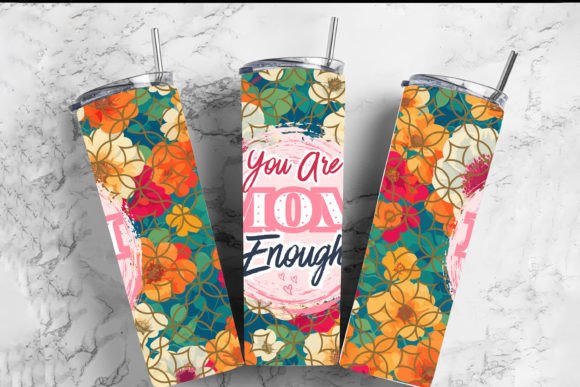
When I first opened the You Are Mom Enough Tumbler Sublimation file, my immediate thought was, "This has that modern, supportive, boutique feel." It's a graphic that speaks directly to a mood—one of affirmation and gentle celebration. The phrase itself carries weight, and the clean, straightforward presentation makes it immediately versatile. As an embroidery designer, I'm always looking at a file not just as a graphic, but as a potential embroidered product. My mind starts racing through scenarios: would this work on a custom sweatshirt for a client? How would it stitch out as a patch? Let's walk through that practical judgment.
The Design's Personality and Its Natural Home
The layout is clean and centered, which from an embroidery standpoint, is a gift. It doesn't fight with itself. This isn't a overly detailed, dense illustration; it's a statement piece. That means it naturally belongs on items where the message is the focal point. I picture it on a simple cotton tote bag, the embroidery providing a textured, handmade contrast to the plain fabric. I also see it perfectly at home on the front of a soft, baby-ribbed sweatshirt, becoming a personal declaration for the wearer. The visual personality is confident but not loud, making it ideal for personalized gifts and small shop merchandise aimed at mothers, caregivers, or anyone celebrating that role.
Performance in Real-Life Embroidery Projects
Imagine you're preparing a custom order for a client who wants an embroidered pillow cover as a baby shower gift. This design enters the scene. Because it's a clear graphic without tiny, intricate serifs on the lettering, it will translate well into stitches. The solid areas would likely be handled with a fill stitch, and the outlining would be crisp. On a tea towel or apron, it would hold up to use and washing, provided the stitch density is appropriate. For craft fair products like caps, the tapered sizing mentioned (9.3" to 8.2") suggests it's adaptable, but you'd need to test it on the curved surface to ensure the text doesn't distort at the smaller size.
For Etsy sellers creating digital mockups, the 300 DPI PNG file is a good starting point for showcasing the design on various products. You can convincingly show how it would look on a tote bag design or baby embroidery on a romper. This builds customer trust before you even stitch the first sample. The value for apparel decorators and creative entrepreneurs is in its ready-to-use clarity; it's a design asset that doesn't require a lot of pre-processing to imagine on a finished product.
Where to Exercise a Bit More Care
While versatile, any design with a solid, blocky feel requires thoughtful application. On very textured fabrics like a thick blanket, the stitches might sink in and lose definition if the density is too light. Embroidering it on thin fabric like a standard t-shirt necessitates a good stabilizer to prevent puckering, especially if the design area is sizable. If you're considering it for a small embroidered patch, resizing it down significantly could make the lettering too condensed for clean satin stitches.
Dark fabric backgrounds are a classic consideration. You'll need to think about thread color contrast—a white or pastel thread palette would pop, but a dark thread on a dark garment might lose the affirming message. This isn't a design I'd automatically choose for a highly layered garment like a quilted jacket, as the level of detail might get lost in the texture of the material itself. Always test on scrap fabric first when venturing into these territories.
Impact on Visual Appeal and Professional Results
Using this design well elevates your work. Its clear message, when stitched cleanly, enhances the handmade presentation. It feels intentional and professional, which supports brand consistency for a crafter focusing on uplifting, feminine, or family-oriented products. The giftability is high—it's a specific, meaningful statement. For a small business owner, offering this on a few core products (like a sweatshirt, pillow, and tote) creates a cohesive collection that can attract a particular buyer.
From a commercial standpoint, a well-embroidered version of this on a product increases buyer engagement because it's relatable. It's not a generic graphic; it has a voice. That can make your finished product stand out at a market or in an online shop. The key is in the execution: crisp stitching, thoughtful color choices, and pairing it with a high-quality base item.
A Designer's Practical Notes Before You Hoop the Fabric
Before you run this machine embroidery design, here’s my mental checklist. First, since exact stitch count and hoop size requirements aren't specified in the provided details, I would confirm those by testing the file in my software or checking with the source. I always test it in black and white mockups to see how it holds up without color, which informs thread choices. Compare light and dark fabric backgrounds digitally first to plan my thread inventory.
I pay close attention to any decorative accents or corners in the design when resizing. Does the integrity hold? I also review stitch density on my test swatch—too dense can make a design stiff on a flexible item like a cap. Crucially, I confirm licensing before selling finished items. The note says this download does NOT include SVG or DXF cutting files, so it's clearly geared for sublimation and likely embroidery file use, but the license for commercial embroidery or selling digital products derived from it needs to be clear. Your professionalism depends on this.
Finally, I consider the fabric texture of my final product. A smooth, tight-knit cotton? Ideal. A loose, stretchy knit? Requires more stabilization planning. The You Are Mom Enough Tumbler Sublimation design is a strong, simple graphic. Its success in your embroidery project hinges on these practical preparations, turning a digital graphic into a tactile, cherished handmade product.