Love Heart Tumbler Wrap: An Embroidery Designer's Review
When a new design file lands on my desktop, my first question isn't just “is it pretty?” but “how will it live in the real world?” I’m looking at the Love Heart 20oz 30oz Skinny Tumbler Wrap from the perspective of a maker who needs to translate digital files into tangible, sellable, and loveable products. This isn’t a sublimation review, but an embroidery designer’s take on how this heart-themed artwork could perform when stitched onto fabric for a handmade business.
The Immediate Visual Personality: Sweet, Seamless, and Versatile
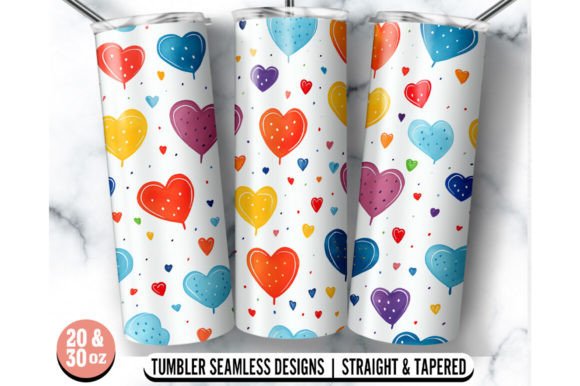
The first impression of this wrap design is one of gentle, contemporary charm. The seamless layout suggests a fluid, all-over pattern that avoids harsh breaks, which is a fantastic starting point for embroidery. It creates a mood of soft affection, making it naturally suited for personalized gifts, nursery decor, or boutique kitchen items. The level of detail implied by the 300dpi sizing hints at clarity, but as an embroidery professional, I know that the transition from graphic to stitches is where the true test lies.
Where This Heart Design Finds Its Home in Embroidery
Imagine you’re preparing a custom order for a client’s baby shower. You’re considering a cozy blanket or a set of personalized baby clothes. The heart theme of this tumbler wrap, scaled appropriately, could become a beautiful, repeating motif along the edge of a blanket or a centered design on a knit sweater. The seamless nature means it could be adapted for a border without awkward gaps.
More broadly, this design’s personality leans into products that speak to care and connection. Think embroidered pillow covers for a wedding gift, tea towels for a farmhouse-style kitchen line, or a simple, elegant tote bag for a small shop. For an Etsy seller focusing on heartfelt gifts, this embroidery design file offers a foundational theme that customers instantly recognize and respond to emotionally. It boosts the giftability and perceived value of the finished product.
Navigating the Stitching Practicalities
However, the leap from a 9.3 x 8.2 inch or 10 x 9.4 inch graphic to a stitched piece requires careful planning. The stated sizes are quite large for many standard embroidery hoops. This means for typical custom apparel like sweatshirts or t-shirts, you’d likely be using a significant portion of the garment’s front. That can be stunning, but it also demands more stabilizer and careful fabric choice to prevent puckering.
For smaller items like caps or baby clothes, you would need to scale the design down considerably. This is where attention to detail is critical. When condensing a design with potential intricate elements, stitch density can become a challenge. Dense areas might need adjustment to prevent stiffness on lightweight fabrics. Always test on scrap fabric first, especially if you plan to use it on textured or stretchy materials.
Scenarios That Demand Extra Caution
Some applications require a designer’s sober second thought. Using this large, likely detailed design on dark fabric means you must ensure your thread color palette offers enough contrast for the pattern to remain clear and legible. Stitching onto curved surfaces like a baseball cap requires excellent digitizing to maintain shape; since this is provided as a graphic, you’d be relying on your digitizing software’s conversion and your skill to adapt it.
If the design contains tiny decorative accents or fine lines, they might not translate well into satin stitch or running stitch at a smaller scale, becoming lost or blurry. For products that need frequent washing, like kitchen towels or aprons, you must consider how a large, possibly dense embroidered area will hold up over time. A robust stabilizer and quality threads are non-negotiable here.
Professional Impact and Buyer Perception
From a business standpoint, using a coherent, visually pleasing design like this enhances your brand consistency. If your shop specializes in heart-themed or romantic goods, this embroidery file could become a key design asset. A well-executed embroidered piece using this theme feels professional and deliberate, which builds customer trust and engagement. It shows you’ve invested in the design foundation of your handmade product.
For commercial embroidery projects, such as producing a line of patches or branded merchandise for a boutique, the design’s clean, seamless template is a advantage. It presents a finished, polished look in printable mockups and, when stitched well, in the final product. This directly supports your craft business by elevating the perceived craftsmanship.
Essential Designer Notes Before You Hoop Anything
Before you commit this design to a client’s project or your next craft fair inventory, run through this practical checklist.
- Since specific embroidery file formats, stitch counts, or machine compatibility details aren’t provided here, your first step is to confirm the technical specs of the actual files you receive.
- Always check the licensing terms. Can you use it for personal and commercial projects? Can you sell the finished embroidered items or the digitized file itself? Never assume.
- Test the design concept in black and white mockups to evaluate its form without color distracting you.
- Compare how it might look on both light and dark fabric backgrounds by planning your thread colors accordingly.
- Match the physical hoop size to your project. The template sizes given are large; ensure your machine and hoop can accommodate your scaled version.
- Inspecting small details in the graphic is crucial. Will they require special attention during digitizing to remain clear?
- Use proper stabilizer suited to your fabric choice. A large design area on a tote bag or sweatshirt embroidery needs solid support.
The Love Heart 20oz 30oz Skinny Tumbler Wrap, from a Crafts and Graphics category perspective, presents a lovely thematic opportunity. Its real value for an embroidery designer, however, is unlocked only through this kind of practical scrutiny. It has the visual personality to make products feel special and gift-ready, but its successful transition from a digital file to a beautiful, durable stitched piece depends entirely on your mindful preparation and skilled execution. Approach it not just as a graphic, but as the blueprint for your next beautiful embroidery project. Your customers will feel the love in every stitch.