Sunset for Stained Glass Design Tumbler Review
First Glance at a Glowing Craft Idea
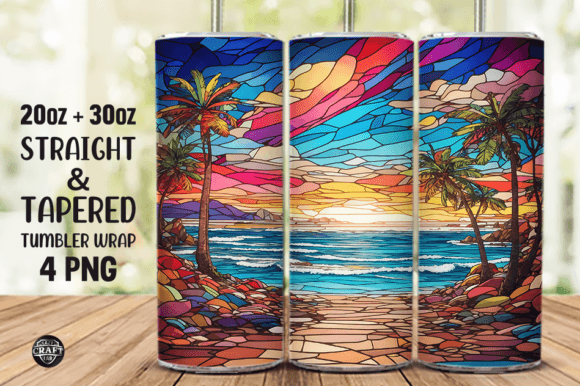
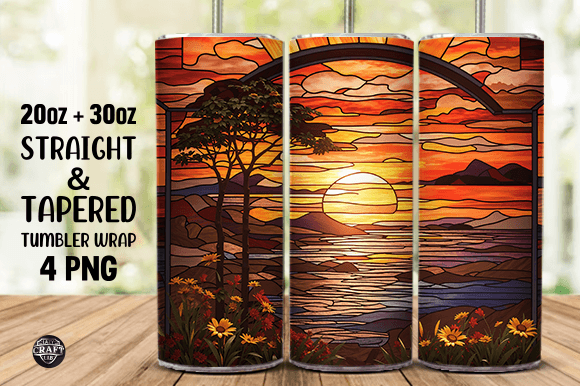
When I opened the folder for Sunset for Stained Glass Design Tumbler, I expected another pretty gradient. What I got was something that immediately felt like a miniature art piece trapped in a cylindrical frame. The sunset palette doesn't scream, it breathes. Warm amber bleeds into dusty rose, while deep violet anchors the lower edges. The stained glass interpretation gives the sky a fragmented, jewel-like quality that makes you want to tilt the finished product under light just to watch the sections shift. For an embroidery designer, this layout signals opportunity. The segmented color blocks read like a natural stitch map, where satin stitch sections could mimic real glass leading, and fill stitch areas would let those sunset tones do the heavy lifting.
I've reviewed hundreds of digital designs, and the mood here is unmistakably calm coastal evening. It's not a loud tropical explosion. It's the kind of sunset you'd see through a beach house window, filtered and quiet. This matters because the mood dictates which products it will elevate. A loud design limits you to statement pieces. A restrained, painterly one like this opens up baby gifts, wedding keepsakes, and boutique home decor without feeling out of place.
Where the Stained Glass Personality Belongs
I mentally placed this design on a half-dozen blanks before I even checked the file. A natural linen pillow cover came first. The organic texture of linen against the geometric stained glass sections would create a gorgeous tension. Then I pictured it on a soft, stonewashed sweatshirt, the sunset colors pooled across the chest, the stained glass seams catching thread sheen. A structured tote bag followed, where the wrap-style layout could sit neatly in a centered panel. The design's Graphics nature means it's built for a clean, smooth surface, which makes it a strong candidate for flat embroidery panels, framed hoop art, and personalized kitchen towels. The skinny tumbler format is a clue about proportion. It's tall and narrow by design, which means it fits beautifully on apron bibs, tall cosmetic pouches, and narrow tote panels without awkward cropping.
I could see a small shop owner using this as a signature seasonal product line. A set of embroidered tea towels with this sunset across the bottom edge, paired with a coordinating solid linen napkin, would sell well at a holiday market. The stained glass structure gives it a handmade, artisan vibe that customers associate with care and craftsmanship, not mass production. That's gold for boutique branding.
Real Embroidery Thoughts Before You Stitch
I'll be direct. This design will look stunning on medium-weight cotton, linen blends, and even a high-quality polyester face fabric if you're testing it on a sublimation blank that you plan to accent with embroidery. But I wouldn't trust it on thin, slinky jersey without serious stabilizer planning. The stained glass segments suggest defined edges. On stretchy fabric, those defined edges can warp, and suddenly your crisp sunset looks like a watercolor spill. Test on a firm, non-stretch scrap first. Always.
Thread color pairing is where this design will make or break your finished product. The preview shows a gentle gradient, but embroidery doesn't blend like a printed PNG. You'll need to choose thread colors that transition smoothly across the bands. I'd pull at least five to six sunset tones, from a pale peach through a muted coral, into a dusty plum, and finish with a deep navy or charcoal for the stained glass outlines. The outlines are the structural backbone. If you use a metallic or high-sheen thread for those leading lines, the entire piece will catch light differently. It's a small choice that adds a handmade luxury feel.
Stitch Density and Detail Considerations
Stained glass designs rely on clean separation between color blocks. That means the running stitch or satin stitch borders need to be precise. If the stitch density in the fill areas is too heavy, the fabric will pucker and the crisp edges will blur. I'd reduce density slightly for the larger color sections and keep the border stitches clean and tight. Small details in the sunset curve, like the transition zones between colors, need close inspection. On a dark fabric, some of the deeper violet tones might disappear, so I'd test one sample on a light oatmeal fabric and another on a deep charcoal to see if the contrast holds. One of the smartest habits I've developed is printing a black-and-white mockup of any design before stitching. It reveals contrast problems that color previews hide.
Hoop size is another practical checkpoint. Since the product description points to a skinny tumbler format, the design is likely elongated. Confirm your largest hoop can accommodate the full height before you commit. If you need to split it, carefully plan the split point in a natural seam of the stained glass pattern, not in the middle of a smooth gradient area. A seam in the sky gradient will look accidental. A seam along a stained glass leading line will look intentional.
From Screen to Saleable Product
I recently prepared a custom embroidered baby blanket for a client who wanted something unique but not cartoonish. This design came to mind immediately. The stained glass sunset feels gentle enough for a nursery, but sophisticated enough that parents will keep it as a keepsake long after the baby stage passes. I stitched a sample on a soft cream cotton flannel, using matte embroidery threads and a lightweight cutaway stabilizer. The result was quiet, elegant, and the parents asked for two more as gifts. That's the real test of a design's value. Not how it looks on a screen, but how it moves people to want more.
For Etsy sellers and craft business owners, Sunset for Stained Glass Design Tumbler fills a niche that's often underserved. It's not overtly floral, not geometric in a trendy way, and not text-heavy. It's a mood piece. That means it works for personalized wedding gifts, anniversary keepsakes, sympathy gifts, and coastal home decor without needing a clever saying to make sense. The design carries the emotional weight on its own.
Licensing and Commercial Smarts
Since the product description doesn't detail specific license terms, I'll offer the advice I follow myself. Before you list a single finished product online, confirm the commercial license with the seller. Some Tumbler Wraps graphics are sold for personal use only, and you need an extended license for physical product sales. Don't assume. Ask. If you're selling the digital file itself, even as part of a bundle, double-check that the terms explicitly allow resale or redistribution. Most designers prohibit it, and I've seen too many small shops get tangled in copyright issues over a misunderstanding. Protect your business by being thorough.
Fabric and Surface Testing Notes
I'll share what I've learned from testing similar stained glass designs. Canvas tote bags are a dream surface. The weave is tight enough to support the stitch detail, and the weight of the bag prevents puckering. A structured cap is trickier. The curved surface distorts the tall, narrow proportion, and the stained glass sections may look warped near the seams. If you're set on caps, place the design on the side panel rather than the front center, or scale it down significantly and test on a low-profile cap. Aprons are a strong match, especially a full bib apron where the design can run vertically along the center. It creates a focal point that draws the eye upward, which is flattering in a retail display.
For baby items, I'd embroider this on a small, pre-washed cotton quilt square or a soft burp cloth corner. Keep the design size modest, and choose thread colors that are gentle on a nursery palette. The stained glass effect on a tiny scale feels like a miniature treasure, and parents adore that level of detail.
Presentation and Customer Perception
How you photograph and list this design matters. A flat lay on a textured linen background with a few sprigs of dried lavender instantly tells the buyer, "This is artisan, this is calm, this is worth the price." The stained glass style suggests craftsmanship, so your product photography should echo that. Avoid overly bright, commercial-looking mockups. Soft natural light, simple props, and a close-up of the stitch detail on the leading lines will do more selling than any description you write.
If you're creating graphics-based design assets for other crafters, a clean preview showing the design on a realistic tumbler mockup alongside a coordinating embroidery hoop sample gives buyers a clear vision of what's possible. It bridges the gap between a digital file and a finished product, and that's exactly what hesitant buyers need to click purchase.
Final Practical Verdict
I'd use Sunset for Stained Glass Design Tumbler in my own embroidery projects without hesitation, but I'd treat it like the delicate, atmospheric piece it is. It's not a workhorse design meant for high-volume, rapid-fire production on cheap blanks. It's a design that rewards patience, good fabric choices, and thoughtful thread matching. If you take the time to test, refine your color palette, and choose products that honor the stained glass mood, you'll end up with a finished piece that looks custom, intentional, and deeply personal. That's the kind of product that builds customer trust, earns repeat sales, and quietly sets your shop apart from the sea of generic, overused designs flooding the market.
Keep a stitched sample in your portfolio. Show it to clients who want something meaningful but not overly sentimental. Use it for seasonal collections, limited edition gift sets, and coastal-inspired product lines. It's a design that will outlast trends because it's rooted in a timeless natural scene, filtered through a classic art style. And in a world of fast, forgettable craft products, that staying power is everything.