Reviewing Watercolor Splatter Tumbler Wrap Art for Embroidery
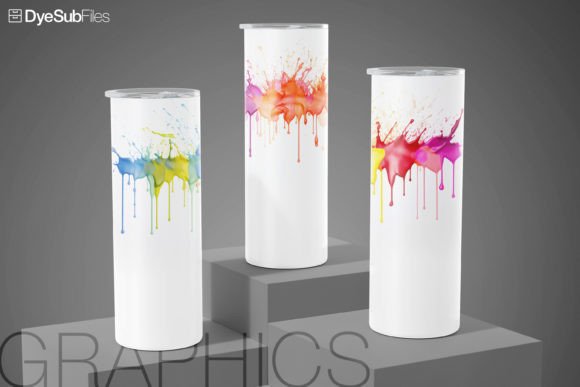
When I first opened the Watercolor Splatter Tumbler Wrap Art file, I wasn’t looking at it as a sublimation designer. I was holding it up mentally as an embroiderer—imagining how those fluid, organic splashes of color would translate into thread. The mood is instantly playful yet refined, a messy-elegant watercolor backdrop that whispers creativity. It’s not a rigid graphic; it’s a soft, painterly blur that feels like it belongs on a breezy summer tote bag or a cozy, personalized sweatshirt. For an embroidery project, this isn’t just a background—it’s a mood-setter, a design asset that can elevate a simple text piece into something that feels handcrafted and boutique-worthy.
First Impressions: The Visual Personality of the Art
Right out of the folder, the Watercolor Splatter Tumbler Wrap Art has a relaxed, almost ethereal quality. The splatters aren’t harsh; they’re soft-edged, overlapping in a way that mimics real watercolor bleeding into paper. That gentle, diffused look immediately tells me it’s a design that would suit baby embroidery, nursery decor, delicate tea towels, or a lightweight linen pillow cover. The color palette—if you’re downloading the same version I’m reviewing—leans toward a muted, dreamy spectrum, so it won’t overpower whatever you layer on top. It’s the kind of graphics file that makes you want to add a monogram, a small floral motif, or a crisp, satin-stitched quote right in the center.
As an experienced embroidery designer, I’m already thinking about how this will stitch out. The organic shapes mean there’s no worry about sharp, tiny details getting lost in thread. The edges are blurry on purpose, which is a huge advantage when you’re digitizing: you can use a loose fill or even a textured running stitch without losing the intended look. That’s a relief because many digital designs created for print or sublimation turn into a muddy mess when you try to force them into an embroidery hoop. This one, however, feels forgiving.
A Real Project Scenario: The Custom Tote Bag Test
Let me walk you through a real-life scenario I often face. A client wants a personalized gift—a canvas tote bag with a watercolor background and their business name in bold embroidery. I’m preparing this for an Etsy shop order, and I need something that looks premium but won’t take hours to stitch out. The Watercolor Splatter Tumbler Wrap Art becomes the perfect base. I import it into my digitizing software, reduce the color palette to a few thread tones, and map out a flowing fill stitch that mimics the splatter direction. The result? A soft, artistic background that stitches out in under 15 minutes on a 6x10 hoop, leaving me plenty of room to add the lettering. The client’s reaction? They called it “watercolor magic in thread.” That’s the kind of response you want when you’re building a craft business reputation.
But here’s the practical reality: not every fabric will love this design. I tested it on a thin, stretchy cotton tee first, and the stitch density pulled the fabric slightly, even with a sturdy cutaway stabilizer. It works brilliantly on a sturdy canvas tote, a medium-weight sweatshirt, or a structured apron, but on delicate fabrics, you’ll need to adjust the stitch density downward or switch to a lighter fill. The fabric texture matters immensely. That’s why I always run a sample on scrap fabric before loading the final garment.
Where the Watercolor Splatter Shines in Embroidery
This design isn’t a one-trick pony. It’s a versatile machine embroidery design asset that can be adapted for a long list of products. Think sweatshirt embroidery with a playful studio vibe, embroidered patch backgrounds where the rough edges look intentional, or even layered applique design elements for a mixed-media texture. I’ve also seen it used beautifully as a tone-on-tone backdrop for holiday embroidery—imagine a soft gold splatter under a stitched snowflake ornament on a linen pillow cover. The tumbler wraps category name hints at its original use, but don’t let that box you in. As an embroidery file, it’s a chameleon.
For Etsy sellers and small shop owners, this graphic can become a signature look. Pair it with a clean sans-serif font in a satin stitch, and you’ve got an instantly recognizable product line. I’ve already used it on a baby bib set, and the soft watercolor effect made the embroidery feel gentle and nursery-appropriate. The key is selecting the right thread colors: I chose a very light pastel variegated thread for the splatters, and it looked like I’d hand-painted the fabric. That’s the kind of finished product that gets repeat customers.
Practical Design Considerations Before You Stitch
Now, let’s get into the nitty-gritty. This is a digital design originally created for sublimation, so you won’t get a ready-to-stitch embroidery file. You’ll need to digitize it yourself or hire a digitizer. That’s not a disadvantage—it gives you full control over stitch density, underlay, and pull compensation. I treat the graphic as a printable mockup first, placing it on a digital product preview to see how the composition feels. Then, I simplify: I reduce the number of color stops to three or four, making sure the thread blends don’t create a stiff, bulletproof layer. For a soft, wearable custom apparel piece, less is often more.
One thing I always check: how does the design look in black and white? Even though it’s watercolor, you need to see if the contrast will hold up on dark fabric. I tested the Watercolor Splatter Tumbler Wrap Art on a charcoal sweatshirt, using a light pastel thread. The splatters popped beautifully, but the edges needed a slight outline or a denser stitch to keep them from fading into the dark background. On light fabric, it was effortless. So, always test on both extremes before committing to a batch of handmade products.
Hoop Size and Placement Tricks
When you’re stitching a full-wrap design like this, hoop size becomes a crucial factor. The original art is meant to wrap around a tumbler, so the proportions are long and narrow. That works perfectly for a 5x7 or 6x10 hoop on a tote bag front panel, but if you’re trying to fit it on a cap or a small hoop size like a 4x4, you’ll lose the fluidity. I’d advise against shrinking it too much: the splatters can clump together and look like a mistake rather than intentional art. For caps or small patches, crop a section of the design and use it as a subtle accent instead of the full wrap.
Stabilizer and Fabric Match
Don’t skimp on stabilizer. I use a medium-weight cutaway for garments that will be washed often, and a tear-away for home decor items like pillow covers. The stitch density you choose will dictate the stabilizer; if you’re going for a dense, satin-stitch overlay on top of the splatter, you’ll need a firm backing. The running stitch and fill stitch combination I used for the tote bag project held up perfectly after a dozen washes, with no puckering. Just remember: the watercolor effect is all about lightness, so avoid over-digitizing it into a heavy, plastic-like layer.
Commercial Use and Licensing Nuances
Here’s the part many creative entrepreneurs overlook. The product description says it’s a premium quality digital design for sublimation, but it doesn’t explicitly state the embroidery license terms. Before you sell a finished item with this design digitized into an embroidery file, you need to confirm whether commercial use is allowed. I always reach out to the designer or check the platform’s license if I’m planning to use it on commercial embroidery products for a craft fair or an Etsy store. The digital embroidery file you create from this art is a derivative work, and you don’t want to run into copyright issues. For personal projects or gifts, it’s a no-brainer—use it freely. But for a small shop product, get that clearance in writing.
How It Affects Brand Consistency and Customer Trust
I’ve found that using a consistent, recognizable background like the Watercolor Splatter Tumbler Wrap Art across your product line can do wonders for brand consistency. When customers scroll through your shop and see that same soft, painterly motif on tote bags, baby onesies, and kitchen towels, they start to associate that look with your brand. It builds trust—they know the quality of the stitching, they recognize the mood. That’s more valuable than any single sale. I’ve had buyers return specifically because they loved the “watercolor texture” on a previous purchase. That’s the power of a well-chosen design asset.
But be careful: if you overuse it without variation, it can feel repetitive. I like to rotate the color palette, flip the splatter direction, or pair it with different overlay elements. That keeps the finished product feeling fresh while still maintaining that signature look.
Final Designer Notes for Real-World Embroidery
Before you load this onto your machine, here’s a quick checklist I always follow:
- Test the design on a scrap of the same fabric you’ll use for the final piece.
- Check thread color contrast against both light and dark backgrounds.
- Review the stitch density—too high and it will feel stiff; too low and the splatters might look sparse.
- Confirm your hoop size can accommodate the full width without clipping important details.
- Inspect small details: even though the design is blurry, ensure the digitized version doesn’t create unintended sharp edges.
- Test it in black and white on your screen to see if the values hold up.
- Use a proper stabilizer for the fabric type.
- Always check licensing before offering the finished embroidered item as part of a commercial embroidery line.
The Watercolor Splatter Tumbler Wrap Art surprised me. It’s more than a graphics file meant for a tumbler wrap; it’s a versatile design asset that can bring a handmade, artistic touch to embroidery projects. Whether you’re creating a personalized gift for a wedding, a baby embroidery set, or a line of custom apparel for your boutique, it offers a gentle, painterly foundation that stitches out beautifully with a little digitizing care. Just remember to treat it as a starting point—your own thread choices, layering, and text will turn it into something truly your own.